Category: scholarly

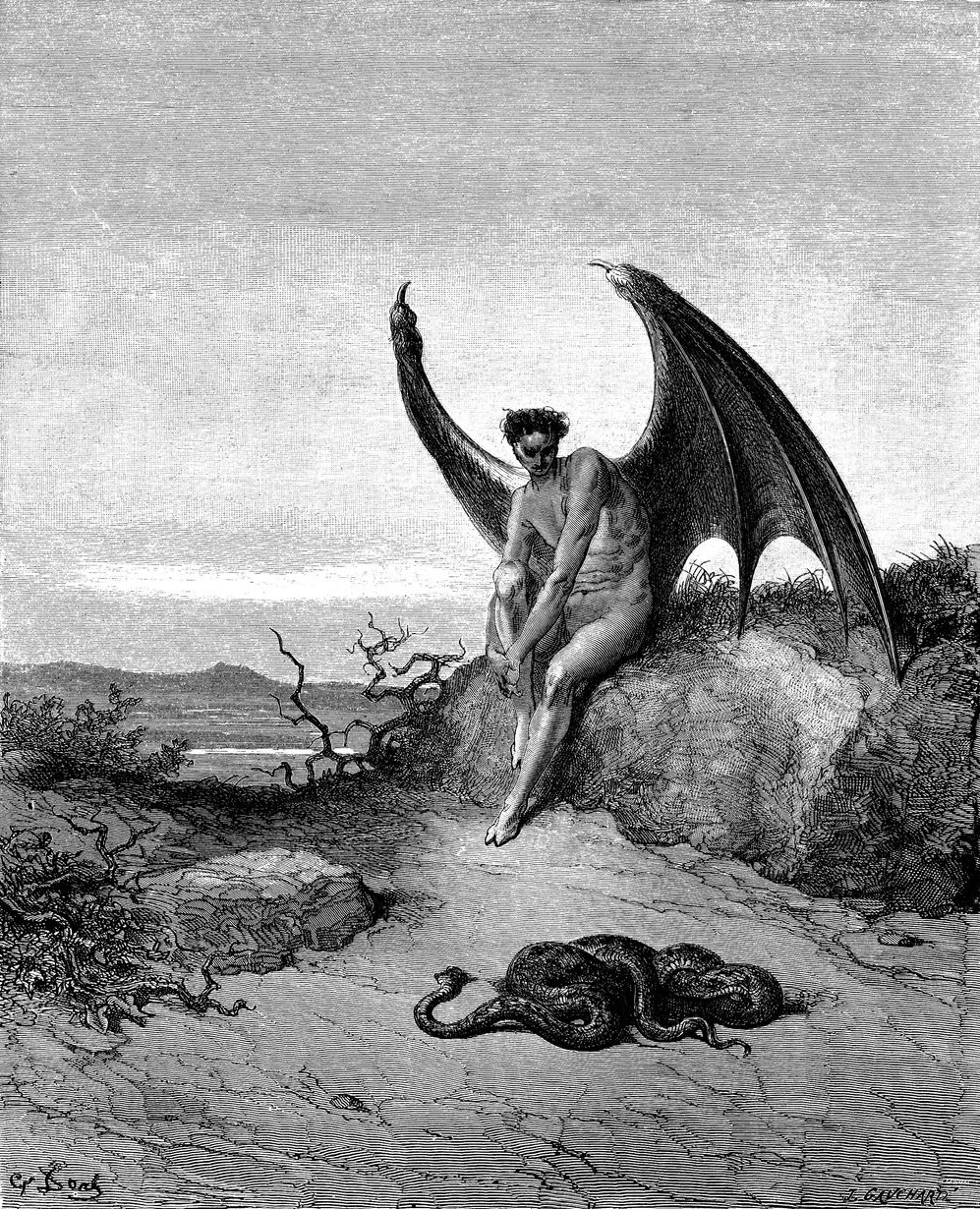
What are demons?

The goal of all evil creatures is to pull creation down as much as possible toward nonexistence. But the task is futile. “In the beginning, God created the heavens and the earth.” God’s creatures did not create themselves or each other. In the end, they cannot uncreate. 

What Does the Bible Say About Land Ownership?

What do ancient boundary markers have to do with modern property laws? The Bible shows us God’s wisdom and passion for justice when it comes to the land we live in.

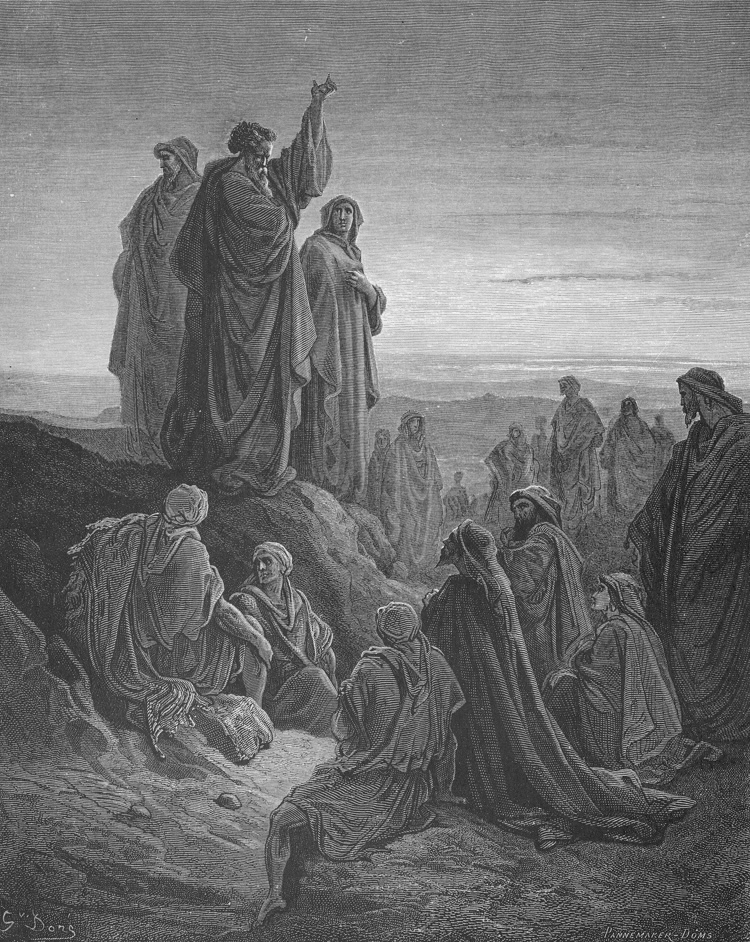
The Apostolicity of the Church

Christ established the foundation of his church through the definitive work of the apostles, who then set up a structure of overseers who would steward the apostolic foundation. Apostolicity, then, is defined by our faithfulness to the apostolic doctrine, structure, and mission.

“Did Christ Die for Me?”

The glory of the cross is not that people get to escape hell and enjoy eternal comfort. The glory of the cross is that God saves. Salvation is about God before it is about us.

Yahweh and Asherah in the Hebrew Bible

In humanity’s attempt to bend the world and the divine power to their own will through talismans, vows, and magic, they end up subjecting themselves to masters of their own creation which have no power to serve them, much less save them. 

A Fearful Lament and God’s Faithful Response

Awake, awake, put on strength,  O arm of the Lord; awake, as in days of old, the generations of long ago. Was it not you who cut Rahab in pieces, who pierced the dragon? Was it not you who dried up the sea, the waters of the great deep, who made the depths of the

Continue reading

God Revealing Himself Through Narrative

In the Judeo-Christian tradition, God is often referred to as the God of the Bible when He is contrasted to the gods of other religions. The Bible is the primary medium through which God reveals Himself to His people. Especially in protestant denominations, the Bible is considered to be the sole source of authority on

Continue reading

Relationship Based Faith in Kierkegaard

Often referred to as a proto-existentialist or even the father of existentialism, Kierkegaard stood in opposition to the Hegelianism that dominated philosophical and theological thought in his own time. Under several different pseudonyms Kierkegaard published works that argued faith was the furthest one ought to go in life; faith should not and could not be

Continue reading